
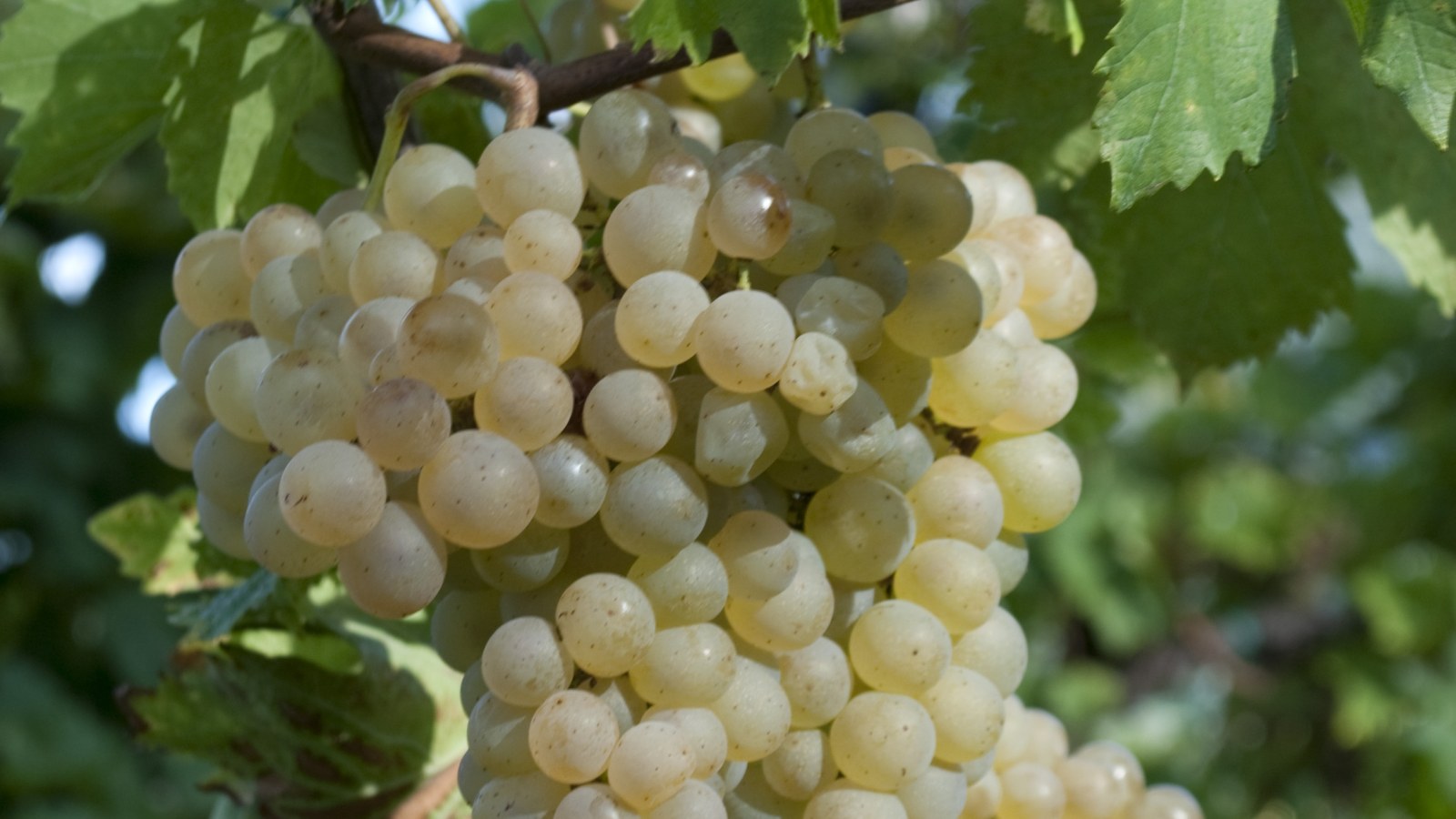

Bacchus is a useful route into locally grown aromatic white wine. Its place in English vineyards is real; its origin is German rather than British.
The essentials
The German Wine Institute places its breeding in the 1930s.
Widely associated with locally grown aromatic whites.
Check the individual wine and whether oak is involved.
A floral or fruity description does not prove residual sugar.
What to expect from a Bacchus label
Bacchus often appears in English and Welsh still white wines. WineGB identifies it as part of the local white-wine landscape, while individual producers show how differently it can be made. "English Bacchus" tells you more than the grape name alone, but it still does not fix the wine’s sweetness, texture or intensity.
Look for the estate, origin and vintage, then read the style description. A mention of aromatic fruit is useful, but it is not a substitute for checking whether the wine is dry.
Fresh, aromatic or a little richer?
For a crisp style, look for descriptions of citrus, elderflower or fresh green fruit, and ask whether the wine was fermented in stainless steel. Some producers take a different approach with oak or skin contact, so read the details rather than expecting every Bacchus to taste alike.
A producer's tasting note is a useful guide to its intended style. It is not a substitute for your own preferences, and floral aromas do not by themselves mean the wine is sweet.
Is it England’s Sauvignon Blanc?
The comparison can be a helpful conversation starter if you like aromatic whites, but the grapes are distinct. Ask what the merchant means by the comparison: a grassy aroma, citrus character or a crisp palate might be the intended link. Do not assume identical flavours in every vintage.
The German origin also matters. Locally grown wine does not need a locally invented grape to have an identity of its own. The vineyard and the producer’s choices are part of that identity.
Food suggestions for a British table
For a fresh, dry style, our editorial starting points are a pea and mint salad, simply cooked white fish with lemon or a chicken salad with herbs. If the dish includes a sweet dressing, a rich cream sauce or lots of chilli, reconsider the whole combination rather than following the grape name automatically.
These are suggested matches, not tested pairings with a named bottle. Our British food pairing guide explains how the sauce can change the choice.
Buying locally grown Bacchus
Use the WineGB producer directory to identify estates and then verify their own current bottle information. Ask whether the wine is still or sparkling, single-variety or blended, and which vintage the order will actually contain.
Compare the full delivered cost and bottle size. A vineyard listing is not proof that its cellar-door shop is open on the day you plan to visit.
Questions readers ask
Is Bacchus indigenous to England?
No. It was bred in Germany. It is included here because of its established role in English and Welsh wine.
Is all Bacchus dry?
Do not infer sweetness from the grape name. Read the bottle information or ask for the producer’s technical details.
Has Vinabox tasted the Plumpton bottle described here?
No UK tasting is claimed. The example is explicitly based on the producer’s published description.
Sources and further reading
Deutsches Weininstitut, Bacchus; WineGB, White Still Wines; WineGB, Producer directory. Checked on 20 October 2026.
For adults aged 18 and over. Read our approach to responsible wine coverage.