
At a glance
A cool, dark place with a steady temperature is the first priority. A centrally heated room, a kitchen shelf above the cooker or a garage with large seasonal swings deserves a closer look before you buy any equipment.
Unopened bottles without a cellar
Keep bottles away from direct light and persistent heat. For wine you intend to keep, use a place with the steadiest suitable conditions you can provide. A cupboard can be more useful than a decorative rack if the rack sits beside a radiator or a sunny window.
WSET advises storing wine at a cool, constant temperature and natural-cork bottles on their side. Screwcap bottles do not need that position to keep a cork moist. There is no need to treat a bottle intended for near-term drinking like a long-term collection.
| Location | What to check |
|---|---|
| Kitchen cupboard | Distance from the oven, hob, dishwasher and hot pipes. |
| Spare room or hall cupboard | Heating patterns, daylight and seasonal temperature changes. |
| Garage or shed | Summer heat, winter cold and fluctuations; a cool morning reading is not enough. |
| Wine fridge | Capacity, actual bottle shapes, ventilation clearances, noise and suitability for the room. |
Storage and serving are different
A storage setting is not a promise that every style will be ready to serve at its ideal temperature. WSET gives about 10 to 13°C for a full-bodied white such as oaked Chardonnay, and explains that the wine meaning of room temperature is around 15 to 18°C. Those are useful serving references, not exact limits for every bottle.
Let your own perception help: a wine that is too cold may seem muted, while a red that is too warm can feel less fresh. Adjust gradually rather than leaving a bottle by a heat source.
Once the bottle is opened
Close an opened still wine promptly and refrigerate it, including red wine. Bring the portion you plan to serve towards your preferred temperature afterwards. Less time exposed to air and lower storage temperature can help limit change, but there is no universal number of days for all wines.
The wine’s condition at opening, remaining volume, closure, method and storage all matter. A smell or flavour change is not a stopwatch. We do not attach a guaranteed lifetime to a category such as "all red wine". If you do not want the rest, there is no need to drink it just to avoid waste.
A stopper, vacuum pump or gas system?
A simple closure and the fridge may be sufficient for a short interval. Vacuum and gas systems add equipment and running costs; assess the exact method rather than treating every product as interchangeable. No comparative performance test of these methods is claimed in this UK guide.
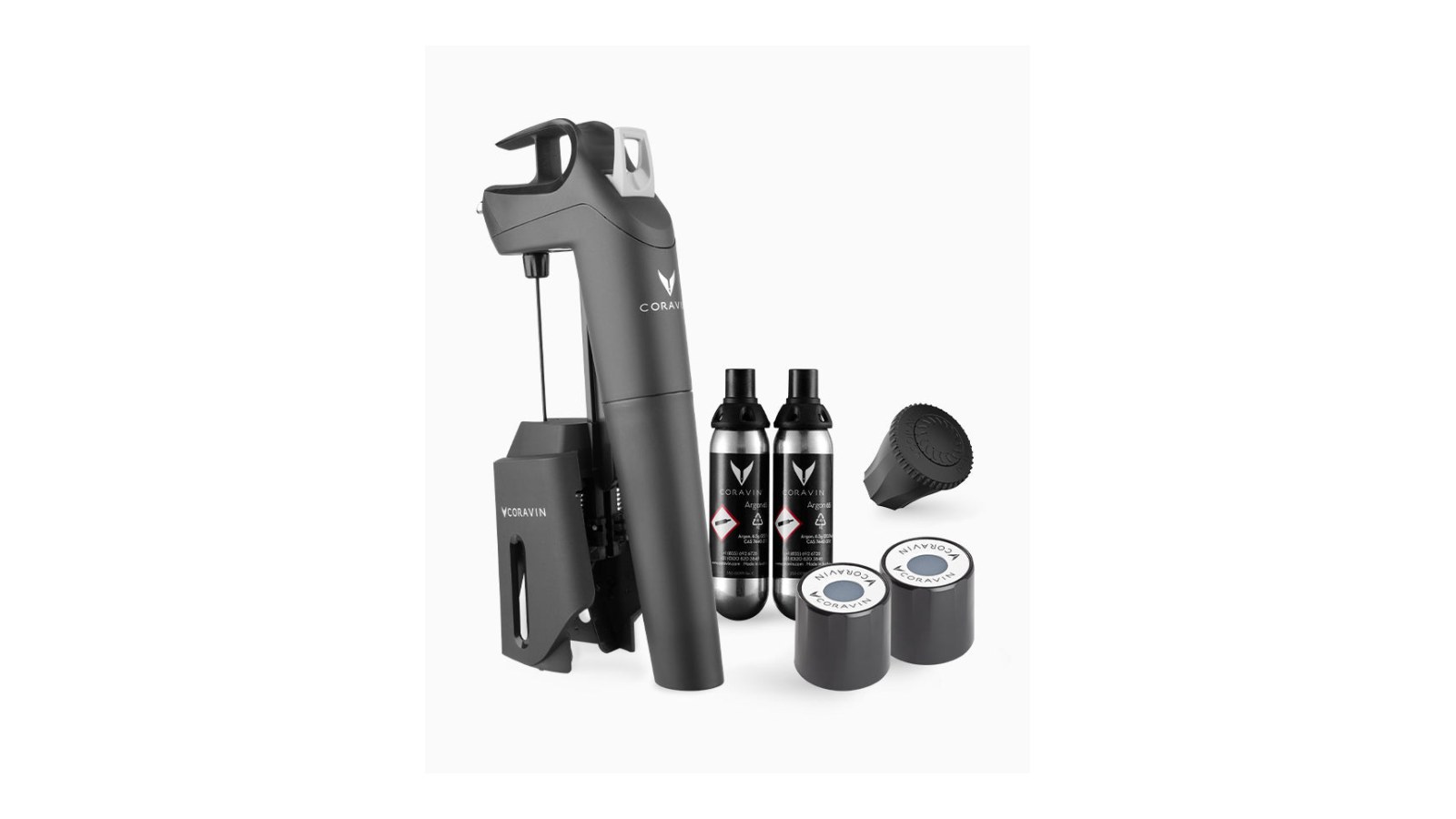
Our Coravin hub explains the manufacturer’s different systems. Timeless accesses suitable still-wine closures with a needle; Pivot replaces the original closure after opening; Sparkling is a separate system for sparkling wine. The model comparison includes dated UK system prices and the limits of the evidence.
Examples of the three Coravin methods
Timeless Three+
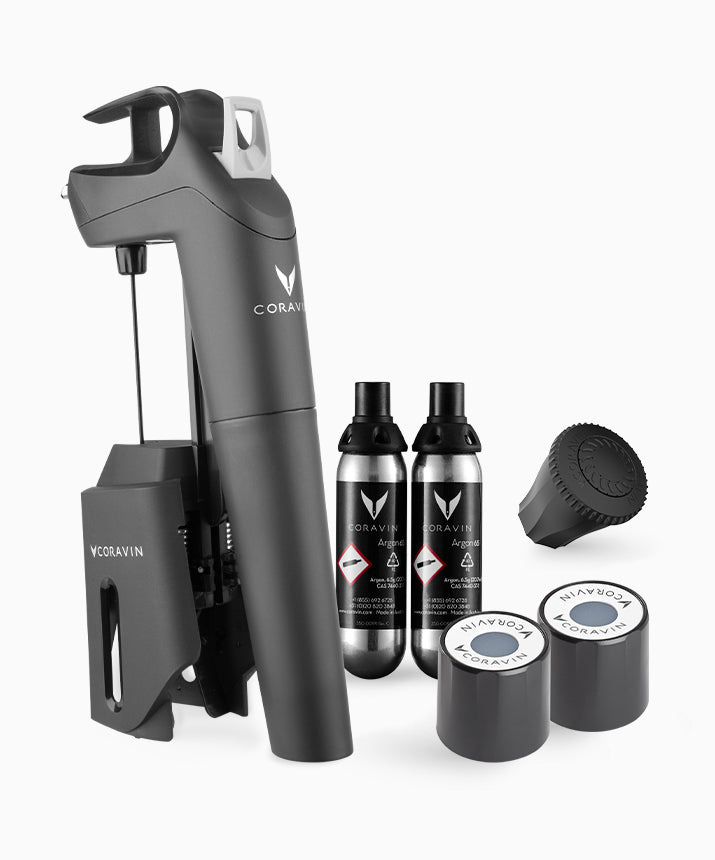
Needle access for compatible still-wine closures. Black kit; £289.99 recorded on Coravin UK on 20/10/2026.
Pivot+
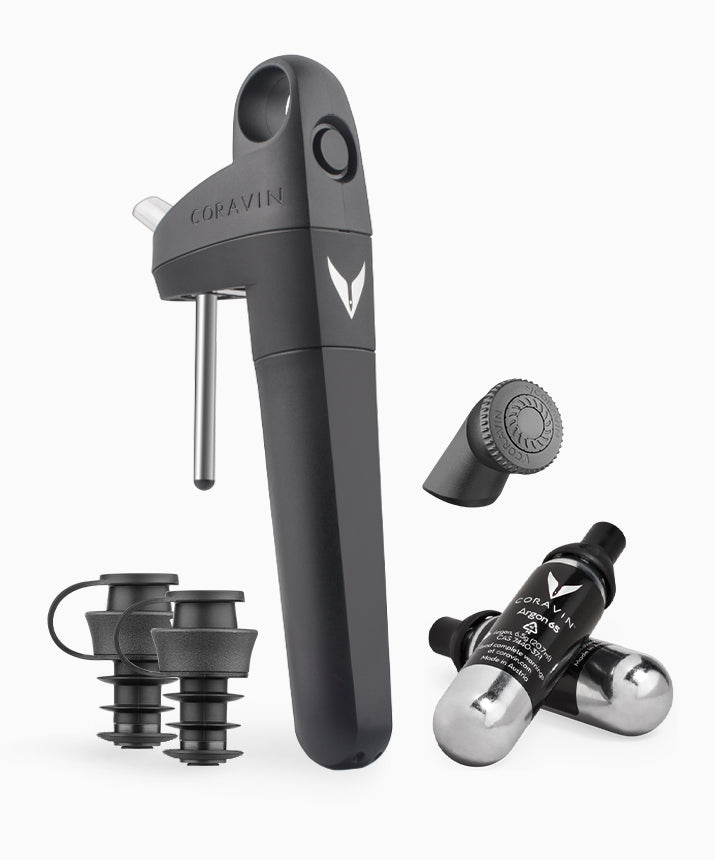
A stopper-based system for still wine after opening. Black kit; £199.99 recorded on Coravin UK on 20/10/2026.
Sparkling
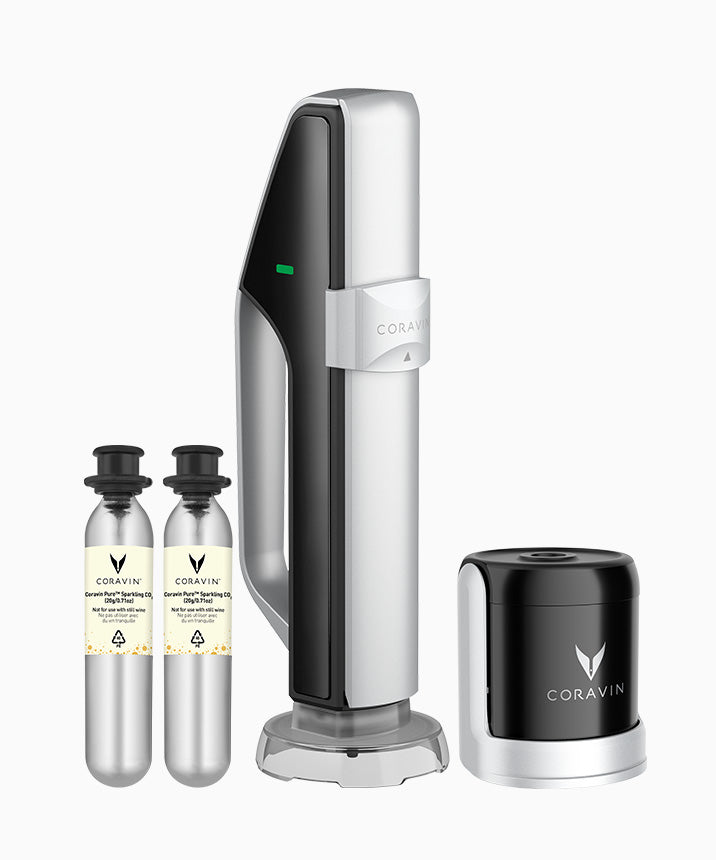
Dedicated CO₂ equipment for sparkling wine. Black kit; £399.99 recorded on Coravin UK on 20/10/2026.
Sparkling wine needs its own approach
Use a stopper designed for sparkling wine and keep the bottle chilled. A still-wine needle system is not a substitute for a sparkling-wine system. Follow the maker’s safety instructions for any pressurised equipment, bottles and gas capsules; never improvise a connection.
No fixed preservation duration is promised here. The manufacturer’s claims for a dedicated system depend on its stated conditions and are not a guarantee for every bottle.
When professional storage may be worth investigating
For valuable bottles or long storage, compare appropriate specialist storage with the cost and conditions of keeping wine at home. Ask about insurance, access, charges and the status of any in-bond stock. Buying wine for future drinking is different from treating it as a financial investment.
For the purchase terms, return to buying wine in the UK; for the meal, use our food pairing suggestions.
Sources and further reading
WSET, Serving temperatures and storage; WSET, The best ways to preserve wine after opening; Coravin UK, Compare systems; Berry Bros. & Rudd, Buying with us. Checked on 20 October 2026.
For adults aged 18 and over. Read our approach to responsible wine coverage.