

At a glance
Choose a style you like, then consider the whole dish: its sauce, sweetness, salt, acidity, chilli heat and richness. The pairings below are editorial suggestions, not results of a named-bottle tasting.
Start with the sauce
Roast chicken with lemon and herbs asks a different question from chicken covered in a sweet glaze. Fish with a squeeze of lemon is different from fish with a rich cream sauce. Say how the dish is cooked and served when you ask a wine merchant for advice.
WSET’s pairing guidance starts with personal preference and the effect of food components on how a wine tastes. You do not need to like a wine simply because a traditional pairing says it is correct.
Five British-table starting points
| Dish | A style to consider | What could change the choice |
|---|---|---|
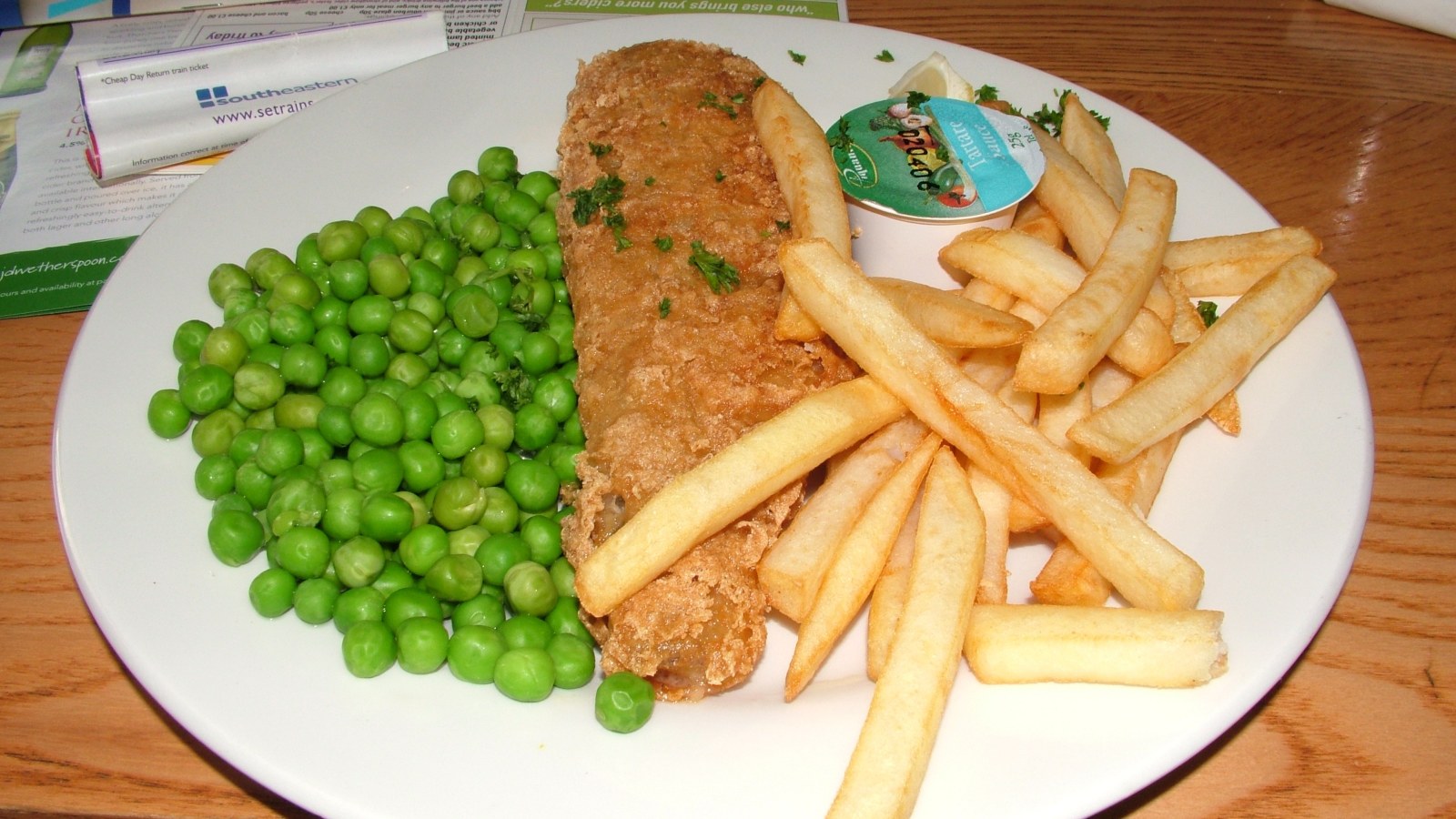
| Fish and chips | A dry sparkling wine from England or Wales, or a fresh dry white. | Malt vinegar, lemon, tartare sauce and mushy peas change the balance. Use vinegar thoughtfully if you want to notice the wine. |
| Sunday roast chicken | A fresh Chardonnay or a lighter Pinot Noir. | Bread sauce, rich gravy, lemon and sweet glazes pull in different directions. |
| Roast beef or lamb | A red Bordeaux blend or a fuller red style you already enjoy. | Think about gravy, mint sauce, horseradish and sweet condiments, not just the meat. |
| Mushroom Wellington | A savoury Pinot Noir or a white with enough texture for the pastry and filling. | A creamy sauce may matter more than the mushrooms. Vegan food does not automatically require white wine. |
| Herby vegetable tart | A fresh, dry Bacchus or another aromatic white. | Check the acidity of the dressing and any sweetness in roast vegetables or chutney. |
Curry is a family of dishes
A fragrant, mild korma, a tomato-rich curry and a very hot dish are different pairing problems. WSET explains that alcohol and tannin can intensify the sensation of chilli heat, while some sweetness can soften its perception. That makes a suitable off-dry white one possible route, not a rule for every curry.
Ask about the wine’s actual sweetness and alcohol level rather than inferring them from the grape name. A chilled non-alcoholic drink is also an entirely reasonable choice; a pairing guide does not require wine at every meal.
Cheddar, Stilton and a mixed cheese board
For mature cheddar, a fuller white or a red with enough fruit can be a starting point. Stilton invites a different contrast, including a sweet wine if that is a style you enjoy. These are suggestions rather than a claim that a particular bottle has been tested with a particular cheese.
A mixed board can include soft, hard and blue cheeses, along with sweet chutney. One wine may not suit every component equally. Choose the cheese you most want to match and let preferences settle the rest, without opening more bottles just to cover every combination.
A simple way to assess a pairing
- Taste a little food, then notice whether the wine seems sharper, sweeter, more bitter or less fruity.
- Change one element, such as the sauce or condiment, before deciding that the grape is wrong.
- Keep a short note of the dish and wine style for next time. There is no need to finish a bottle to learn from it.
Use the grape guides to describe a style, the buying guide to check the offer and the storage guide for what remains.
Sources and further reading
WSET, Food and wine matching essentials; WSET, How to pair drinks with spice; WineGB, White Still Wines. Checked on 20 October 2026.
For adults aged 18 and over. Read our approach to responsible wine coverage.