
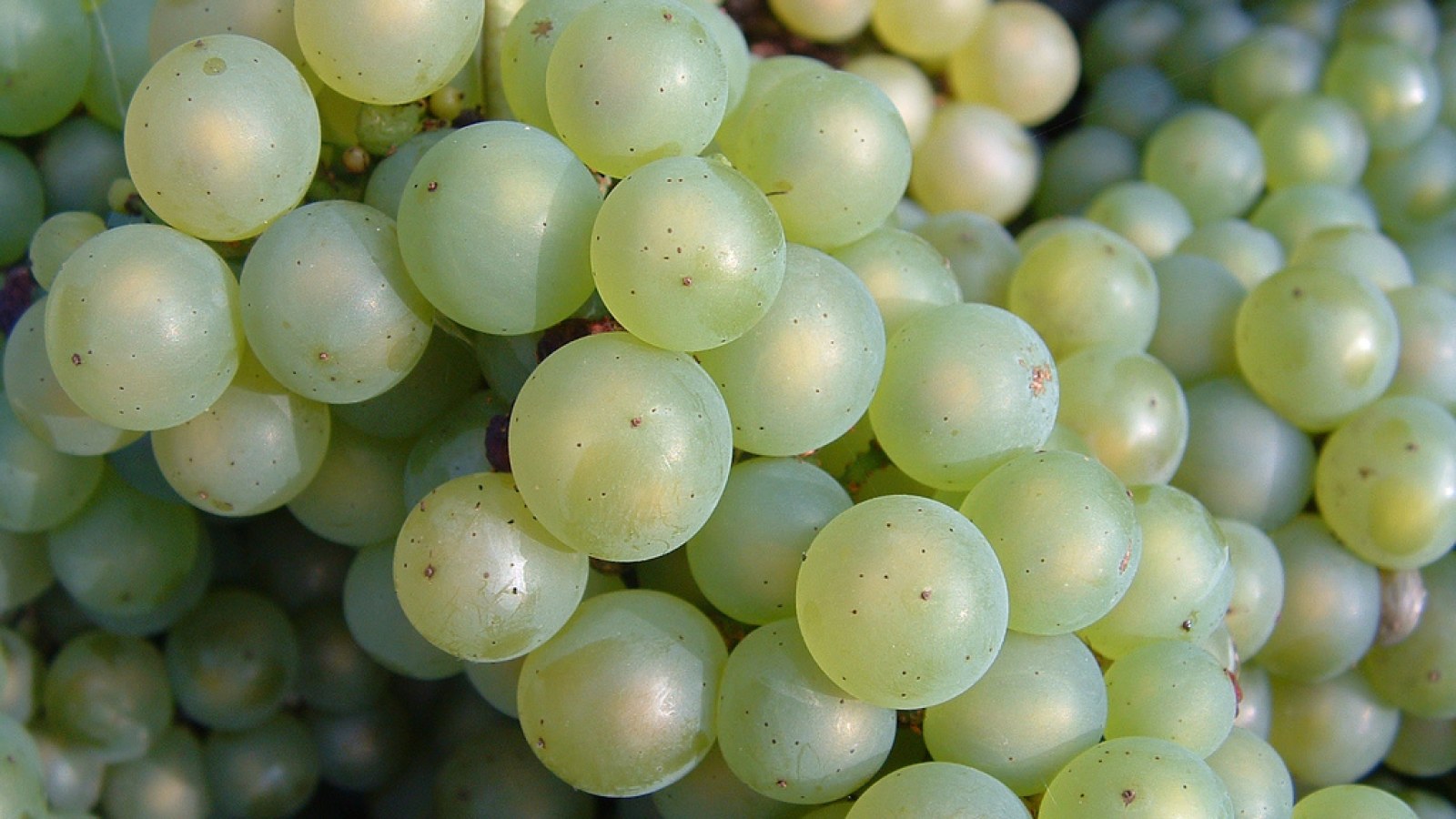

Chardonnay can make a taut, citrus-led white, a broader barrel-aged wine or part of a sparkling blend. Start with the style, then read the place and producer.
The essentials
The region can appear on a label as Bourgogne.
Check the production method as well as the grape.
The variety is not a synonym for buttery wine.
Tell the merchant which style you prefer.
What Chardonnay can taste like
Apple and citrus are useful reference points for a fresher style; other wines can suggest riper orchard fruit, toast or creaminess. These are tasting descriptions, not ingredients. The same grape can produce quite different wines, so a dislike of one heavily oaked bottle need not rule out the variety.
The BIVB describes a range across Burgundy, including richer expressions in the Côte de Beaune. Treat that regional description as a starting point rather than a promise for every producer or vintage.
White Burgundy on a UK wine list
Burgundy and Bourgogne refer to the same French region. Chardonnay is the grape behind Chablis and many familiar white Burgundy appellations. A bottle may lead with the village or appellation rather than putting "Chardonnay" in large letters.
If you want a fresher expression, ask about oak use and the specific wine rather than assuming every Chablis is unoaked. If you prefer a broader wine, ask what gives it that texture: oak may be part of the answer, but it is not the whole explanation.
The English connection
Chardonnay is grown in English vineyards and is one of the important grapes used in local sparkling wine. It also appears as a still white. Those are different buying decisions: the bottle, winemaking and producer matter more than a simple comparison with France.
In Champagne, Chardonnay is one of the principal varieties. "Blanc de blancs" indicates wine made from white grapes; in Champagne that is mainly Chardonnay. Outside Champagne, read the producer’s grape information instead of assuming an identical rule.
Questions to ask before buying
- Is it still or sparkling, and what is the stated grape or blend?
- Is the style dry, and is there a technical sheet if sweetness matters?
- Was oak used, and does the description suggest noticeable toast or a lighter touch?
- Is the quotation for a single bottle, a mixed case or an in-bond purchase?
Our UK buying guide explains the price conditions.
Food and service
For an editorial starting point, consider a fresher Chardonnay with fish pie or roast chicken with lemon. A fuller style can suit chicken in a cream sauce or a mushroom pie. The sauce matters: a sweet glaze changes the choice more than the word "chicken" on the menu.
Serve chilled, then let the wine warm slightly if the aromas seem muted. WSET gives about 10 to 13°C as a useful serving range for a full-bodied white such as oaked Chardonnay. Storage and serving temperatures are different; see how to store wine.
Questions readers ask
Is all Chardonnay buttery?
No. Read the individual wine’s description and ask about its winemaking. The grape covers a broad range of styles.
Is Chardonnay always a still white?
No. It is also used in sparkling wine, including Champagne and English sparkling wines.
Do I need to buy Burgundy to understand Chardonnay?
No. A merchant can help you find a wine in the style you want from another region. Burgundy is a useful reference, not a required purchase.
Sources and further reading
BIVB, Chardonnay; WineGB, Sparkling Wines; Comité Champagne, Preparations for drinking Champagne; WSET, Serving temperatures and storage. Checked on 20 October 2026.
For adults aged 18 and over. Read our approach to responsible wine coverage.